

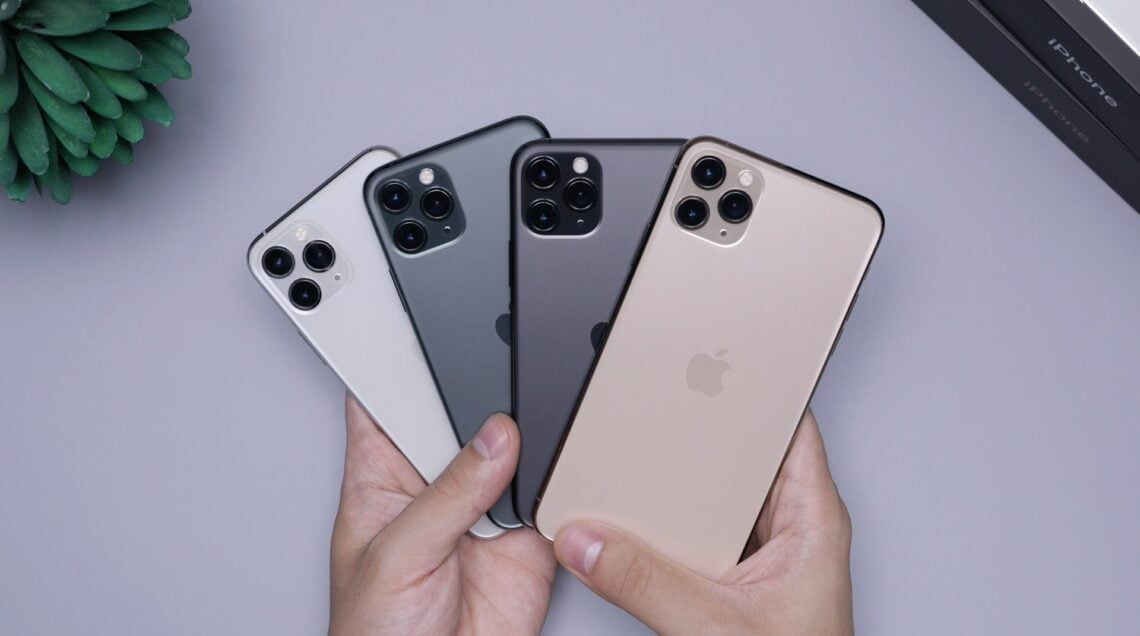
Who needs more money in life… You, or the C-level executives at Apple? That’s right, YOU do! So stop paying top dollar to those corporate suits every time a new smartphone version is released. Instead, get smart about when and how to upgrade your phone to save the most money and keep more of your hard-earned dollars in your pocket.
Being frugal with technology not only stretches your budget further, it makes you appreciate these amazing modern gadgets more. Here are some tips on how to save money upgrading your phone:

1. Delay if you can
First, ask yourself: Is upgrading your current phone a need or a want? If your screen is cracked so badly you can barely read emails, or your battery dies every time you even think about opening Google Maps, it’s probably time to get a new phone! This is a need.
But if you’re upgrading just because the new 64MP camera seems fancier than your current 48MP version, you may as well buy a new fridge because it has an extra ice cube tray. This is a want. And one you can certainly live without that upgrade for now. I promise your selfie pics look just as good on your current phone as they would on a new one.
How much money can you save by delaying upgrades? Well, picture two people… One upgrades their phone every 18 months and the other upgrades every 3 years. Even if they both paid the exact same price for new handsets, the person who delays upgrading spends 50% LESS over the years.
I know it’s exciting to always have the latest tech, but waiting until you have a legit reason to upgrade will help save you quite a bit of money.
Pro tip: Ignore those “you’re eligible for an upgrade” notifications that your cell carrier sends you. Just because you’re eligible to upgrade doesn’t mean that you have to! It’s a marketing trick – don’t fall for it!
2. Get a friend’s hand-me-down
True story: I have some friends that upgrade their phone every 6-8 months. No kidding. They are Apple enthusiasts, passionate about technology and love being the first person in line for new models. (They also make a boat-load of money, so their tech spend is a drop in the bucket!)
Anyway, every time they upgrade, their perfectly good second-hand phones are up for grabs within our friend group. We usually pay them a decent amount, like a few hundred dollars, but it’s WAY less than what we’d pay retail for a phone upgrade.
I’m not telling you to ask your rich friends for handouts. And definitely don’t put any relationships in jeopardy. But if you notice friends breaking rule #1 and upgrading when their current phone works just fine, ask if you can buy it from them. They may just give you a great deal.
3. Buy an older model
Whenever a brand new phone version is released, it’s accompanied by a substantial price drop on all previous versions. So buying slightly older phone models can save you a bundle of money when upgrading!
And let’s be honest. The difference between new phone versions these days isn’t mind blowing or revolutionary. Most tech upgrades are incremental, with new features being barely noticeable. In fact, many old devices are compatible with new software versions (which come for FREE). Slightly older hardware still functions much the same as brand new hardware.
Better yet, phone models that have been out for a while have been thoroughly tested and reviewed by the tech community. This gives you a lot more research and data points to make an informed decision when upgrading your phone. By doing some online research, you can snag a better model that suits your needs for cheaper, and you know you’ll love it for longer. For example, the Samsung Galaxy S21 is still highly rated by Consumer Reports, but it costs quite a bit less than the newer S23.
4. Buy refurbished
I bought my current phone from Amazon renewed in August 2022. It’s a certified refurbished Gen2 iPhone SE, and I paid $185.90 for it. If I recall correctly, it even came with a 90-day return window from Amazon, so there was little downside. Buying a refurbished phone turned out to be one of the best financial decisions I’ve made – almost 2 years later my phone is still going strong!
Here are some great certified refurbished sites to check out:
Important note: Before pulling the trigger on any used tech, make sure the phone is compatible with your network, or buy it “unlocked” so that it works with any cell carrier!
5. Sell or trade in your old phone
Before you ditch that old handset (or leave it in a drawer to collect dust), think about selling it! Even older smartphones that aren’t working or seem beyond repair may still have a tiny bit of value. Manufacturers can usually recycle the internal parts and precious metals inside.
The same retailers we listed above have various options for you to sell or trade in your old phone. Some retailers will offer you a store credit, like Apple’s Trade-In program, which you can apply directly to the purchase of your new phone. Other sites like Swappa and Gazelle are just a marketplace where you can sell your old phone for cash!
Ps. If your phone is still in working order and you don’t get much trade in value for it, you might consider handing it down to someone else who needs a phone. Do you know any friends, family members, or teenagers that could use an old phone? Sharing is caring!
6. Buy during sales windows
We rarely encourage folks to participate in Black Friday, Cyber Monday, or Prime Day, because it encourages overspending. But hey, if you’re about to drop a bunch of money on a new phone anyway, you may as well take advantage of a big sale window!
Most large retailers align their sales windows with major holidays. Labor Day, Fourth of July, etc. These are seasons and long weekends where people are spending money anyway, so they try to catch them while they’re in the shopping mood.
You can save some serious money upgrading your phone during these promotional periods. Just make sure not to overspend or fill your cart with unnecessary accessories!
7. Buy outright vs. contracts
Which would you prefer… Spend $600 upfront to purchase a phone outright, or pay $27.50 each month for 24 months? You may have guessed it, but although the monthly payments seem low each month, they add up to $660 total. That’s 10% more than the outright purchase option!
Not only do phones usually cost more when you finance them, they are typically tied to an expensive service contract. Mobile carriers disguise these “bundles“ as killer deals, but in reality they are wallet killers! Lock-in contracts are expensive – avoid them if you can.
Your best bet is to save up the cash and purchase technology outright. That way you can choose the cheapest cell phone plan to suit your needs. And you won’t have to lock into a contract if you don’t want to.
Best cheap cell phone plans
When you bring your own device (assuming it’s not locked to any specific network) you have much more choice for cell phone carriers. Some of our favorite MVNO carriers offer unlimited voice, text, and data plans for 30 bucks a month! No sign up fees or lock in contracts!
Better yet, they offer the same cell coverage as the large networks because they piggyback off of the exact same reception towers. Here are some MVNO’s we love and the network they use behind the scenes:
| MVNO Carrier | Cell Network | Cheapest Plan | Unlimited Plan |
|---|---|---|---|
| US Mobile | AT&T, Verizon, and T-Mobile | $8 | $17.50 |
| Mint Mobile | T-Mobile 5G network | $15 | $30 |
| Visible | Verizon 5G network | $25 | $25 |
| Boost Mobile | T-Mobile’s 4G LTE and 5G networks | $8.33 | $25 |
| Google FI | T-Mobile’s 4G LTE and 5G networks | $20 + $10/GB | $50 |
The less you pay for ongoing service, the more money you keep in your pocket.
Those savings can be spent to offset the cost of a new phone, or, saved for other financial goals.
Here’s our full US Mobile review post. As well as more info on the best NVMO carriers out there!
8. Use credit card rewards!
If you’re planning to make a big tech purchase, it might be smart to open a new credit card to help pay for it. No, we’re not talking about going into debt to buy a phone (you should only use credit cards if you have the cash in your checking account to pay the balance off immediately). But by using the right credit card as the payment method, you could qualify for meaningful discounts or rewards.
Most card issuers have “welcome offers” for new account holders. If you spend a certain amount of money within a few months of opening a new credit card, you might qualify for a hefty reward. This could come in the form of cash back or points that you can redeem for cash. Either can be used to offset the cost of your new phone.
For example, let’s say you open a new credit card that offers a $200 cash back promotion for spending $1,000 in the first 90 days. You could potentially buy a $1000 phone and get $200 off immediately after.
Here are some credit card lists to check out:
- Best cash back credit cards
- Top travel credit card offers
- Our favorite cards for how you spend
- Ultimate Credit Card search tool
No matter which credit card you choose, be sure you stick to the golden rules of plastic. ALWAYS pay your statement balance in full each month.
The Bottom Line:
Having a reliable cell phone is a necessity these days, but that doesn’t mean you have to pay top dollar every time you need to upgrade. By evaluating your real needs, buying refurbished or slightly older models, trading in your old device, and taking advantage of sales deals, you can save big bucks on newer tech.
Constantly upgrading to the latest models as soon as they are released, or financing expensive phones isn’t worth the ongoing financial strain. That money is better off saved, invested, and working on your behalf towards your eventual financial freedom!
Related posts:
- How to Become a Roth IRA Millionaire
- 12 Frugal Habits to Save Money in Everyday Life
- Best Deal Websites for Coupons and Discounts
Advertiser Disclosure
* Advertiser Disclosure: How to Money has partnered with CardRatings for our coverage of credit card products. How to Money and CardRatings may receive a commission from card issuers. Some or all of the card offers that appear on the website are from advertisers. Compensation may impact on how and where card products appear on the site. Lastly, the site does not include all card companies or all available card offers.