

Advertiser Disclosure
* Advertiser Disclosure: How to Money has partnered with CardRatings for our coverage of credit card products. How to Money and CardRatings may receive a commission from card issuers. Some or all of the card offers that appear on the website are from advertisers. Compensation may impact on how and where card products appear on the site. Lastly, the site does not include all card companies or all available card offers.

Free flights, hotel upgrades, cash back, massive welcome bonuses… if you use the right rewards credit cards (in the right way) there are a litany of perks and benefits you can earn just for everyday spending! But, with the growing annual fees, confusing terms, and potential credit consequences, is chasing credit card rewards actually worth it?
TLDR; Yes, credit card rewards are worth it if you keep a simple strategy, know how to avoid common traps, and always always always pay the bill before any interest accrues. If you do the opposite, you will almost certainly get screwed and even the best rewards credit card you might be considering won’t be worth it.
Why Trust US

Your Money, Our Mission
- We are personal finance nerds
- Our personal finance podcast has over 45 million downloads and counting
- We believe that everyone should have the tools to be financially independent
When it comes to credit cards, we’ve read all the fine print for you. We share our unbiased advice to help you choose and use the best credit cards for your lifestyle, so you can do more with your money than just make ends meet. We receive a small commission from affiliate links but only promote top-notch cards and give each one an honest How To Money rating.
Credit Card Winners and Losers
Do you know why credit card companies offer rewards programs? (hint: it’s not because they like giving away free stuff)
It’s because incentive programs are HUGE money-makers for banks. For every dollar they give someone as a reward, they make hundreds of dollars from others in fees and interest.
Check out this eye-opening (and quite sad) chart below. It shows how many average consumers make or lose money with rewards credit card programs…

As you can see, only a small portion of folks have a net positive outcome using credit cards. The vast majority end up on the losing end. And it’s mostly those with lofty credit scores that use credit cards wisely. The overwhelming majority of people pay more to the credit card companies than the benefits they receive.
Generally speaking, poor credit is strongly associated with low financial IQ. Making bad choices with credit cards means you are more likely to be paying Visa and Mastercard money while reaping few benefits in return, no matter your income situation.
How to be on the winning side:
First of all, if you have poor credit and are in the process of repairing your finances, stay away from credit cards! Solve those bigger money priorities in your life first before trying to maximize reward points. The risk of getting in trouble isn’t worth the potential rewards.
But for those who can handle responsibility, credit card rewards can pay off in a massive way. You just need to know the right rules to follow and stick to them.
It doesn’t matter if you are a high-income earner or have a meager salary, sticking to these best practices for credit card rewards will keep you out of trouble. 👇👇👇
1. Only open credit cards with rewards you will use
A very common trap people fall into is accumulating a bunch of points or miles, then never actually using them! Or worse, letting them expire.
It might sound cool to have 100,000 Southwest Rapid Rewards points. But if you never fly Southwest Airlines and they don’t even have routes in or out of your closest city, what good are those points to you?
Sure, many airlines and hotel chains have partner programs where you can transfer or exchange points and miles. But points are typically exchanged at an unfavorable ratio, watering down the value of the rewards.
Think of credit card points kind of like prepaid gift cards. The longer they sit around unused, the more they diminish in value because of inflation. Using them, gifting them, or converting them to cash will always be better than sitting on unused points for many years.
My advice for beginners: If you’re not sure which travel rewards will be worth it for you, stick to a cash back credit card! You’ll be rewarded in statement credits and they’re super easy to redeem.
2. Develop a good tracking system
If you have more than 2-3 credit cards open, it’s easy to get confused or forget about the individual terms and merits of each card. Not only does this lead to using the wrong card accidentally and not getting the best rewards benefit, but you may also be charged annual fees without even realizing it! Those old cards you never use could be costing you money.
Here are some basic best practices for tracking multiple credit cards:
- Make a spreadsheet: A simple list of card names, open date, annual fee, and main rewards type is enough to get started. It’s just something to refer back to so you don’t forget which cards are open (or closed) in your name.
- Set calendar reminders: Remind yourself when future annual fees are coming up. Also set reminders to use particular points after you earn them.
- Track with a budgeting software: Personally, I use Empower (used to be called Personal Capital). It’s a free expense-tracking app that keeps tabs on all your bank accounts, investments, and credit cards. This app tallies all your spending across multiple cards to make for easier budgeting and tracking.
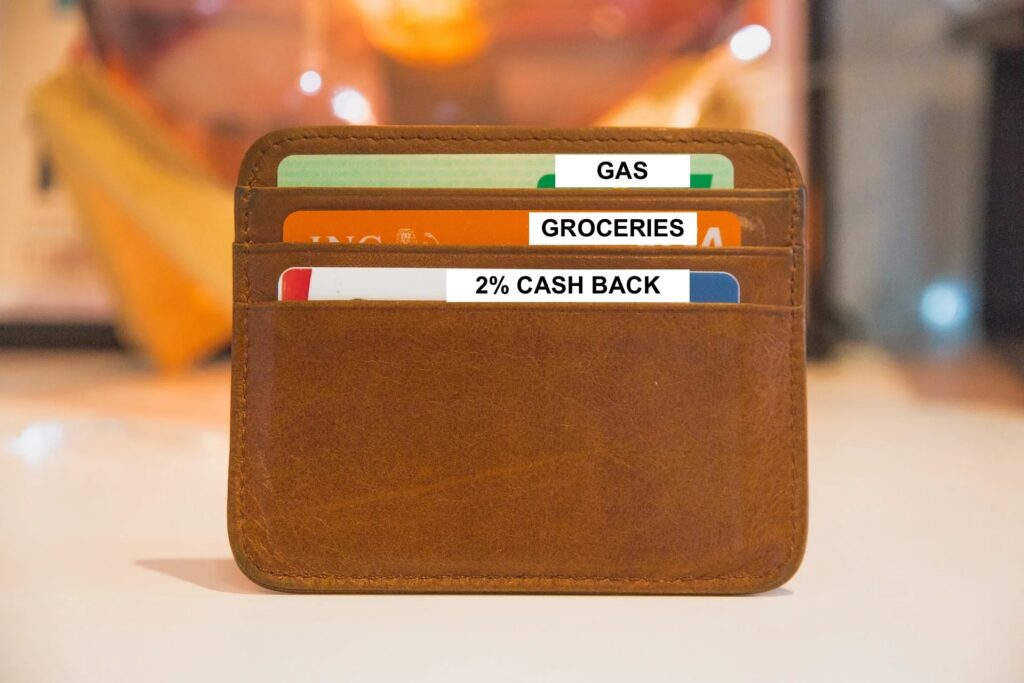
- Label your cards: A good ol’ sharpie will do the trick… Just write the highest reward category on each card, so you know which one to use when you’re buying to get the best available rewards!
3. Automate bills and payments
Whenever I open up a brand new credit card, I immediately create an online login, connect my bank account, and set up auto pay. Every statement gets paid in full every month, and I’ve never missed a single payment in 19 years of using credit cards.
Never having a revolving balance means never paying interest to credit card companies. And never missing a payment means no late fees, credit report dings, or stress!
Out of all the best practices for credit cards, paying your bill on time, every time is the penultimate. Get in the habit of setting up auto-pay so you never have to think about payment deadlines again!
4. Watch those annual fees!
It’s OK to pay annual fees for cards that you use regularly, as long as you accumulate stellar rewards or use the benefits enough to warrant the fee.
A friend of mine pays $695 a year for a credit card that gives him airport lounge access. He loves to brag about this perk, but the truth is he only visits airport lounges 1-2 times per year on overseas trips. While there are other benefits to this luxury card, his main reason for keeping it is lounge access, which has never made sense to me. Paying $700 to visit an airport lounge twice a year is a rip-off! I can buy food, drinks, and premium Wifi at any airport for way less than that.
Personally, I have a hotel credit card (IHG Rewards) that I pay $49 a year for. This card gives me 1 free hotel night every year on my account anniversary. For me, this annual fee is easily worth it, because my wife and I use this free night each year to stay in a fancy hotel when traveling.
Anyway, the point is to always assess the annual fees of your credit cards and compare them to the benefits that you are using.
BTW, if you want to get rid of a card with an annual fee, consider downgrading it instead of canceling the account completely. Most issuers can convert your account to a lower-tier credit card with a $0 annual fee, keeping all your payment history and credit limit in place.
5. Don’t get too rewards crazy
Another big trap many people fall into is overspending, just to accumulate rewards. Even if you think of a smart way to earn more rewards points by putting other people’s charges on your credit card, the benefit is rarely worth it. For example…
Last week my wife had a genius idea… About 15 of her coworkers were out for a happy hour, and instead of splitting the bill, she put the entire tab on her credit card. Her thinking was that we would accumulate a bunch of credit card points by paying the entire bill, and everyone who attended could Venmo her or give her cash for their share.
Well, the total bill was $550. And after messaging everyone and hounding them to cough up their share, she somehow only received about $400. After her personal share of the bill, she was shortchanged about $90.
This really sucks because it’s almost impossible to find the original receipt, work out what everyone ordered, and hold them all accountable. (Even if it is possible, it’s an embarrassing task nobody wants)
All in all, that bar tab earned us about $11 in rewards (we have a travel rewards card that gives us 2 cents credit for every dollar we spend). But, the purchase cost us $90 overall. We were too eager to earn rewards and neglected to think about the logistics of group payments.
6. Organic spending only
While we’re on the topic of spending outside the norm, another big no-no with credit cards is “manufactured spending”. For example, buying a bunch of gift cards or cash equivalent things just to wrack up points or meet a bonus requirement.
Not only is manufactured spending against most credit card issuer policies, it’s just a silly thing to do. Putting a lot of money on the line only for a few dollars in credit card rewards isn’t really worth it. Why take the risk when there are so many other easy ways to make money?
If you are considering opening a credit card with a hefty welcome offer, make sure you have natural upcoming expenses to meet the minimum spend requirement! It’s a good idea to wait to open new cards until you have big bills coming due. For example, an annual insurance bill, large travel purchase, or even a holiday season when spending is higher.
7. Forget about “status”
Another trap of credit card rewards programs is getting sucked into thinking you’re part of an exclusive club. This almost always results in overspending, just to maintain or utilize your “status”.
For example, let’s say you’re booking a flight to Mexico, and you have 2 options: A $300 round-trip ticket with American Airlines, or a $435 round-trip on Delta (of which you get a free checked bag and priority boarding because you hold a Delta credit card). Which option are you more likely to book?
For most people, they will happily pay $435 to fly Delta, just to utilize their membership. Even though the flight is $135 more expensive (and they pay $150 in annual fees for the card), they want to feel like a VIP flyer. But the reality is that paying for a checked bag and priority boarding can be done for less than $135 on American Airlines. And, you don’t need to be a cardholder or pay any annual fees!
If you do open an airline rewards credit card, make sure you don’t overpay for status. Or, pick a non-airline branded card so you have flexible booking options and can earn rewards no matter which airline you fly.
8. Try two-player mode
For financially smart couples, it can make sense to join forces to get more out of credit card rewards. Here are a few ways couples have an advantage over single users:
- Double card usage: With two people spending on one card account, you can reach minimum spending thresholds easier for welcome offers. Also it can maximize point accumulation for everyday spending.
- Pool and share rewards: Many rewards programs allow you to transfer points to spouses or family members. This makes it easier to purchase larger or higher quality experiences.
- Internal referrals: You can earn rewards or cash back just by referring your partner to open the same card. This also lets you double-dip on specific cards with killer benefits. Like earning the Southwest Companion Pass. You could earn it for a year or two, then your partner could earn one when yours expires.
- Open more cards: Having a wider variety of cards can give you access to more reward programs.
Here’s a list of our best credit cards for couples. Personally, my wife and I have opened and used every single one of these cards (and earned well over $10k in travel rewards over the past 5 years)
9. Watch the time you sink into it
The world of credit card rewards is a slippery slope. It can become addictive researching the best types of cards and reading online forums for tips/tricks on maximizing points.
But, if you’re not careful, you might end up sinking hours and hours of work into managing cards and only getting a few hundred dollars in return. Is that worth it to you? Suppose you value your time at say, $100 per hour. If it takes 1 hour per month to manage all your credit card rewards, bills, etc., then you’d have to get a minimum of $1,200 a year in rewards value or the whole endeavor it’s really worth it.
There’s a difference between being frugal vs cheap. Frugal people consider their time when making decisions. Whereas cheap folks will do anything and everything to make a few cents.
10. Stick with a simple strategy
Instead of juggling 15 different rewards credit cards and trying to squeeze every single point out of each purchase possible, it can make more sense to take a simple approach. Having too many credit cards can have diminishing returns!
There’s nothing wrong with using just 1 credit card for everything in your life. You could choose a 2% cash back card, or your favorite travel card for points towards vacations. It’s the simplest way to earn rewards in the background without ever thinking about it.
Another option is using a simple 3 credit card approach. This can cover your main spending categories and make the most of specific reward programs. You could have a card for all grocery spending (like the Costco card). Then a card with high gas rebates for filling up your car. And finally a “catch-all” rewards card for everything else.
Using a simple credit card strategy still allows you to amass meaningful rewards, without any of the headaches or potential pitfalls that multiple cards can bring.
The Bottom Line:
Credit card rewards programs can be worth it if you keep a simple strategy and follow the best practices for spending. Never get too greedy or try and bend the rules, because the risk and potential downsides are rarely worth the rewards.
If you have a poor credit score currently and are not very financially savvy (be honest with yourself), it’s probably best to stay away from credit cards completely. Fix the other more important money issues in your life before messing with credit card rewards. You’ll get a much higher return plugging leaks in your spending, or learning how to invest for retirement.
Related post:
- Secondary Benefits of CCs You Might Be Overlooking
- 7 Best Credit Cards for Stay at Home Parents
- Most Common Credit Card Mistakes (and how to avoid them)
*Advertiser Disclosure: How to Money has partnered with CardRatings for our coverage of credit card products. How to Money and CardRatings may receive a commission from card issuers. Some or all of the card offers that appear on the website are from advertisers. Compensation may impact on how and where card products appear on the site. Lastly, the site does not include all card companies or all available card offers.
*Editorial Disclosure: Opinions, reviews, analyses & recommendations are the author’s alone, and have not been reviewed, endorsed or approved by any of these entities.
*User Generated Content Disclosure: Responses are not provided or commissioned by the bank advertiser. Responses have not been reviewed, approved or otherwise endorsed by the bank advertiser. It is not the bank advertiser’s responsibility to ensure all posts and/or questions are answered.