
Advertiser Disclosure
* Advertiser Disclosure: How to Money has partnered with CardRatings for our coverage of credit card products. How to Money and CardRatings may receive a commission from card issuers. Some or all of the card offers that appear on the website are from advertisers. Compensation may impact on how and where card products appear on the site. Lastly, the site does not include all card companies or all available card offers.
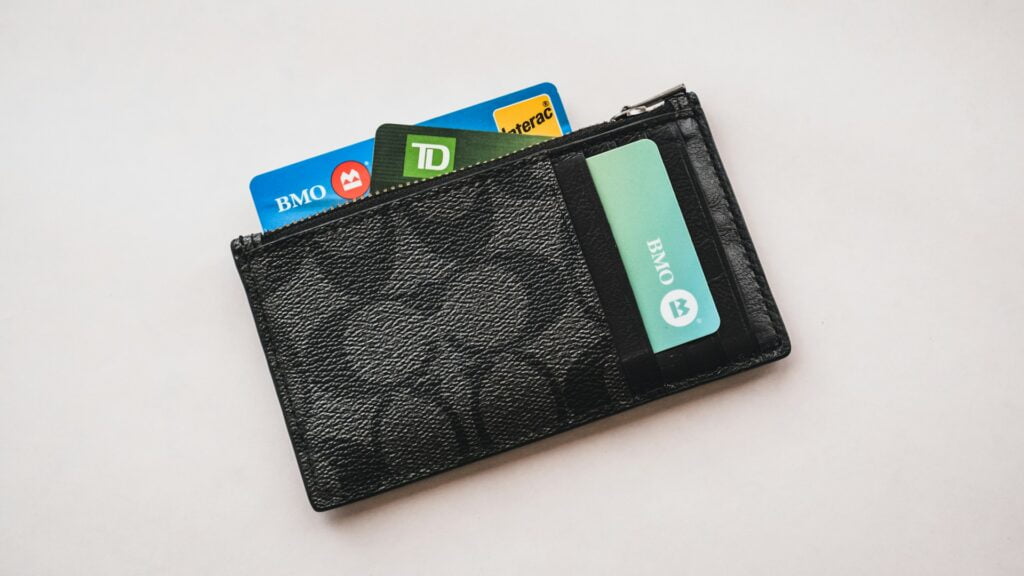
Balance transfers can be a blessing or a curse. They are great when it comes to consolidating debt, lowering your interest rate, or taking advantage of 0% APR interest periods to help pay off credit card debt faster.
But, they can also act as a band-aid, covering up bigger money problems. For some folks with revolving credit card debt, balance transfers enable them to kick the can down the road, never really addressing underlying spending problems. Plus, in some instances, a balance transfer could potentially hurt your credit score…
Whether a balance transfer will help or hurt your credit score really depends on how you complete the transfer, and your actions afterwards. In this post, we’re going to explain the ins and outs of balance transfers, how they affect your finances, and how you can make an informed decision on paying off your debt the best possible way.
What is a balance transfer?
A balance transfer is when you move your debt from one line of credit to another. Most often, it’s when you transfer debt from a high interest rate credit card to a credit card with a lower or 0% APR promotional period. These promotional periods last for a specified period of time, usually between 12-21 months.
Balance transfers can be a great tool to help you pay off debt more quickly. That’s because the low or 0% interest rate keeps your debt from growing at such a quick pace. But, balance transfers are not an be-all-end-all answer for debt problems, and don’t come without their drawbacks. Let’s look at all the pros and cons…
The Pros of Balance Transfers
If you’re struggling to get out of debt, a balance transfer could be the right move. In certain cases, balance transfers can have a positive impact on your overall finances. Here are just a few…
1. Makes it easier to pay off debt
Balance transfers can make it a lot easier to get ahead on debt payments.
Paying off high interest credit card debt is like running up a downwards escalator. Each leap forward send you a fair bit backwards because of the high interest rate they come with. If most of your monthly credit card payments are going towards interest each month, it can be really hard to get ahead and make progress paying down the principal balance.
Balance transfers can essentially “pause the clock” on your interest accumulation. Many balance transfer cards come with an introductory period of 0% interest, which means all your payments go directly towards principal. If you calculate payments right, you could even pay off your entire balance before the end of the promo period. Imagine paying no interest ever again! Sounds lovely, right?
2. Low to No Interest Rate
In addition to paying off your debt more quickly, you’ll end up paying less money overall thanks to your low or 0% interest rate.
For example, if you paid off $10,000 of credit card debt on a card with a 22.9% interest rate over the course of 18 months , it would end up costing you $11,909.83 in total! But, if you paid it off on a balance transfer card with a 0% APR for 18 months, you’ll only end up paying the $10,000 as long as you pay it off within the promotional period.
3. Consolidate Multiple Debts
Another benefit of balance transfers is that they can be a great way to consolidate different debts in one place. If you owe money across multiple credit cards, it’s easy to get disorganized and confused. Balancing multiple payments and multiple due dates can be more stressful, and can lead to missed payments.
However, a balance transfer allows you to streamline your finances. You’ll only need to keep track of one payment, and focus on crushing that one and only debt goal.
Cons of Balance Transfers
While balance transfers can provide some serious benefits for the right person, they aren’t a catch all fix to your financial problems. They can even compound them. Here are some downsides to consider before doing a balance transfer…
1. Transfer Fees
Many balance transfer cards will charge you a one-time fee to assume your balance, around 3-5% of the debt you are transferring. Depending on how much you owe, that can be a steep price to pay! This is why it may not make sense for everyone working to pay down their debt.
For example, if you have a $10,000 debt you are transferring to a balance transfer card, your fee could be $300-500. This is immediately added to the principal balance.
The amount of money you’ll pay in fees will determine whether or not it will make sense for you to perform a balance transfer. If the fees are less than the interest you’re going to pay anyway, it’s worth it! But in some situations, the fees you will pay outweigh the potential savings. If this is the case, the best thing to do is to continue paying off the cards you already have with fervor.
Not all cards have balance transfer fees. Although cards without a fee can be tricky to find. Spend some time digging online to see if you can find one without a balance transfer fee. While no major banks or credit card companies offer this, some smaller banks and credit unions may offer balance transfer cards without fees.
2. Annual Fees
While we aren’t entirely against paying annual fees on credit cards if the card comes with some awesome perks, balance transfer cards typically don’t come with a ton of credit card benefits beyond the introductory APR. While many balance transfer cards do not have an annual fee, watch out for those that do. Before you open the card, double check that it does not have any sneaky annual fees.
3. Might not actually solve the problem
Doing a balance transfer doesn’t make your debt problem go away. Sometimes, performing a transfer gives you a false sense of security, and it’s tempting to use that breathing room to get into more financial trouble. If you haven’t fixed your overspending issues, you could end up running your debt balance up even higher with the combo of your current credit card and your new balance transfer card. Nooooooo!
Before doing a balance transfer, read and re-read these mindful spending techniques and the golden rules of plastic. Put off transferring any balance until you’ve got your spending under control. Consider freezing your credit cards (yes- literally, in a bag of water in the freezer) to eliminate the temptation to take them out with you.
It’s also important to be sure you’re in a place where you can afford to pay off your balance before the promotional period is up. Remember that interest kicks back in once that period is over, and the interest will likely be just as high as your previous cards.
4. Might requires a higher credit score
Lastly, a balance transfer may not even be an option for some folks struggling with credit card debt. Because card companies assume those seeking out a balance transfer are riskier borrowers, they may only approve folks with a solid credit score. If you are unable to qualify for a balance transfer, a debt consolidation loan might be a good alternative if you are able to find one with a low enough interest rate.
Will a balance transfer hurt your credit?
So will a balance transfer hurt your credit score?
Yes, if you open a new credit card to perform the balance transfer. Since new inquiries make up 10% of your credit score, opening up a new balance transfer card could hurt it, causing your score to drop.
However, a balance transfer could help to boost your score in the long run if you pay off your debt and continue to improve your overall debt usage ratio. Your credit card utilization, aka the amount of money you actually borrow compared to your available credit, makes up a huge chunk of your credit score – 30%! Paying down your debt will lower your credit utilization, which can improve your credit score in the future. All in all, a temporary drop in your credit score is likely worth it. It’s a necessary trade off to have cheaper debt and build better credit in the future.
If you’re not opening a new credit card, a balance transfer might not affect your credit score. But, new card promotions are usually the reason you’ll want to transfer balances anyway. To take advantage of 0% APR periods and let you get ahead on payments.
Tips to boost your credit score
If you need to boost your credit score to qualify for a balance transfer, or you want to boost it after a transfer here are a few tips for rebuilding your credit score.
- Pay all of your accounts on time. Your payment history is the biggest factor in determining your credit score. So you’ll need to focus on making every payment on time. Consider setting your accounts to autopay if you’re more forgetful (like me!).
- Lower utilization. Paying off debt and lowering your utilization is a great way to give your credit score a major boost!
- Avoid applying for too many cards. Too many inquiries for new credit can hurt your score. Because the credit bureaus will think that you’re in serious need of more credit and that you’re relying on it to pay your bills.
- Keep credit cards open. Instead of closing credit cards, call and ask to downgrade your card to one without an annual fee. This can help you keep up your credit history.
- Check your credit report for mistakes- Make sure there are no mistakes on your credit score dragging you down! Annual Credit Report is the site to do that.
The Bottom Line:
Performing a balance transfer can hurt your credit score temporarily if you are opening a new line of credit. But it can help your finances, and your credit score, over the long run. If the new balance transfer card allows you to pay off debt faster it will lower your overall credit utilization.
The best way to perform a balance transfer is by moving high interest debt to a 0% APR credit card. Then paying off the ENTIRE balance within the promotional period. If you can handle this new credit product wisely, balance transfers are a great option to help you save money on interest, pay down debt more quickly, and improve your overall financial health.
Related Posts:
- When is it Ok to Close a Credit Card?
- 11 Common Credit Card Mistakes to Avoid
- Ouch! 5 Biggest Financial Regrets (And How to Avoid Them)
*Advertiser Disclosure: How to Money has partnered with CardRatings for our coverage of credit card products. How to Money and CardRatings may receive a commission from card issuers. Some or all of the card offers that appear on the website are from advertisers. Compensation may impact on how and where card products appear on the site. Lastly, the site does not include all card companies or all available card offers.
*Editorial Disclosure: Opinions, reviews, analyses & recommendations are the author’s alone, and have not been reviewed, endorsed or approved by any of these entities.
*User Generated Content Disclosure: Responses are not provided or commissioned by the bank advertiser. Responses have not been reviewed, approved or otherwise endorsed by the bank advertiser. It is not the bank advertiser’s responsibility to ensure all posts and/or questions are answered.