
Good morning, HTM Family!
Oooh I just heard a juicy secret about one of my close friends. It will blow your mind…
But I’m not going to tell you that story right now.
Oh and you’ll never believe what my dinner guest told me last night! It was crazy!…
Actually, I’m not going to tell you that story either.
In fact, I’m not going to share any saucy secrets with you. Because I’m trying this new thing called not gossiping.
Instead of dwelling on other people’s drama (and compounding it), I’m choosing to spend my time asking good questions, sharing fun ideas, and spreading positivity. 🌟
And it’s working out well so far!
Care to join me? No gossip = happier life.
OK now let’s move on and talk about money stuff 💰👇💰👇
TO DO
Search For Missing Money 👀

Roughly 1 in 10 Americans have unclaimed property aka “missing money” floating around out there that they don’t even know exists.
Head over to MissingMoney.com, a free site that helps you search databases across all states and provinces to find unclaimed funds. You might have money waiting for you!
Ps. Bonus points if you search for your friends/family members too! Helping others find lost money is 🏆💪🙌
MINDSET
The IKEA Effect (and Other Sneaky Biases)
Ever heard of the IKEA Effect?
It’s a ”cognitive bias in which consumers place a disproportionately high value on products they partially created.”
Simply put: people happily overpay for furniture they build themselves. Putting effort into an item (even if it’s 30 minutes with an Allen wrench) makes it feel more valuable.
How much do we overpay? A 2011 study found that on average people will pay 63% MORE for furniture they assembled themselves (compared to the exact same item someone else assembled).
To put this into dollars, instead of buying a crappy $80 set of drawers at a cheap furniture store, people would rather pay $130 for the same crappy drawers, and then spend 1-2 hours putting them together.
Kind of silly, right?

Here are some other sneaky biases that mess with our money decisions:
🤷♂️ Status quo bias: “our natural tendency to hold to the current situation rather than any alternative situation.” (This is why people stay with subpar insurance, cell providers, or banks, even when they know a cheaper/better solution exists!)
🛍️ Restraint bias: “the tendency for people to overestimate their ability to control impulsive behavior in the face of temptation.” (Browsing leads to buying. Market drops lead to panic selling. We are not as strong-willed as we think we are.)
😵💫 Frequency illusion bias: “noticing a specific concept, word, or product more frequently after recently becoming aware of it.” (Creates the illusion that the entire world is obsessed with XYZ, when it’s really just you who is obsessed with it)
🤦♀️ Disposition effect: “the tendency to sell an asset that has accumulated in value, and resist selling an asset that has declined in value”. (One of the reasons humans are terrible stock pickers — we naturally sell winners and keep losers)
💅 Moral credential effect: “When someone does something good → they feel permission to be less good in the future.” (Eg. You save $5 by using a coupon, then you go out and buy yourself a $20 treat as a reward for being so good)
Keep reading… 15 Cognitive Biases that are Screwing Up Your Personal Finances
TOGETHER WITH BETTERMENT*
Invest in Heroes: Betterment’s New Veteran-Focused ETF
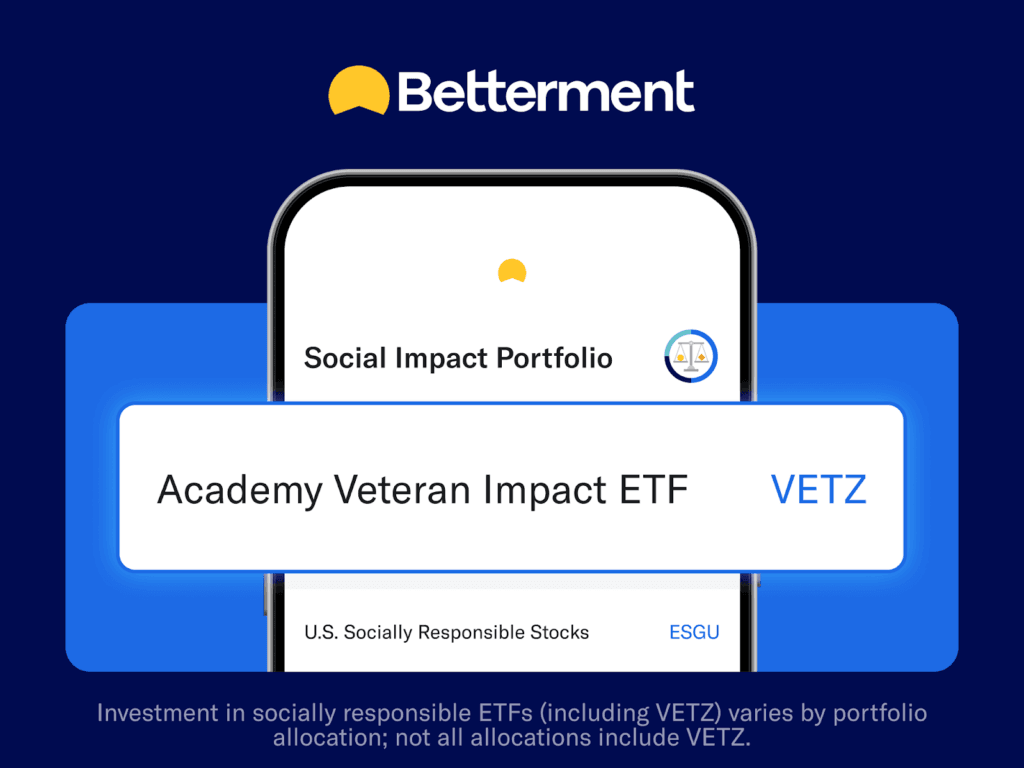
Betterment is proud to introduce VETZ to their Social Impact portfolio – the first-ever ETF focused on supporting U.S. veterans through home and small business loans. Betterment is making it easier than ever to expand your impact while still building long-term wealth.
At least 80% of the underlying assets in the Academy Veteran Impact ETF consists of loans to veterans or their families. And a portion of the management fees are donated to military charities!
Veterans are a vital part of our social fabric. Today, there are more than 18 million living vets in the United States, representing about 6% of the country’s adult population.
Join us in empowering our heroes, while also investing in your future. Learn more.
INVESTING
Beware of False Profits 📲
TikTok, Instagram, and YouTube can be great places to get financial advice and learn about how money works.
But they can also be terribly misleading!!!
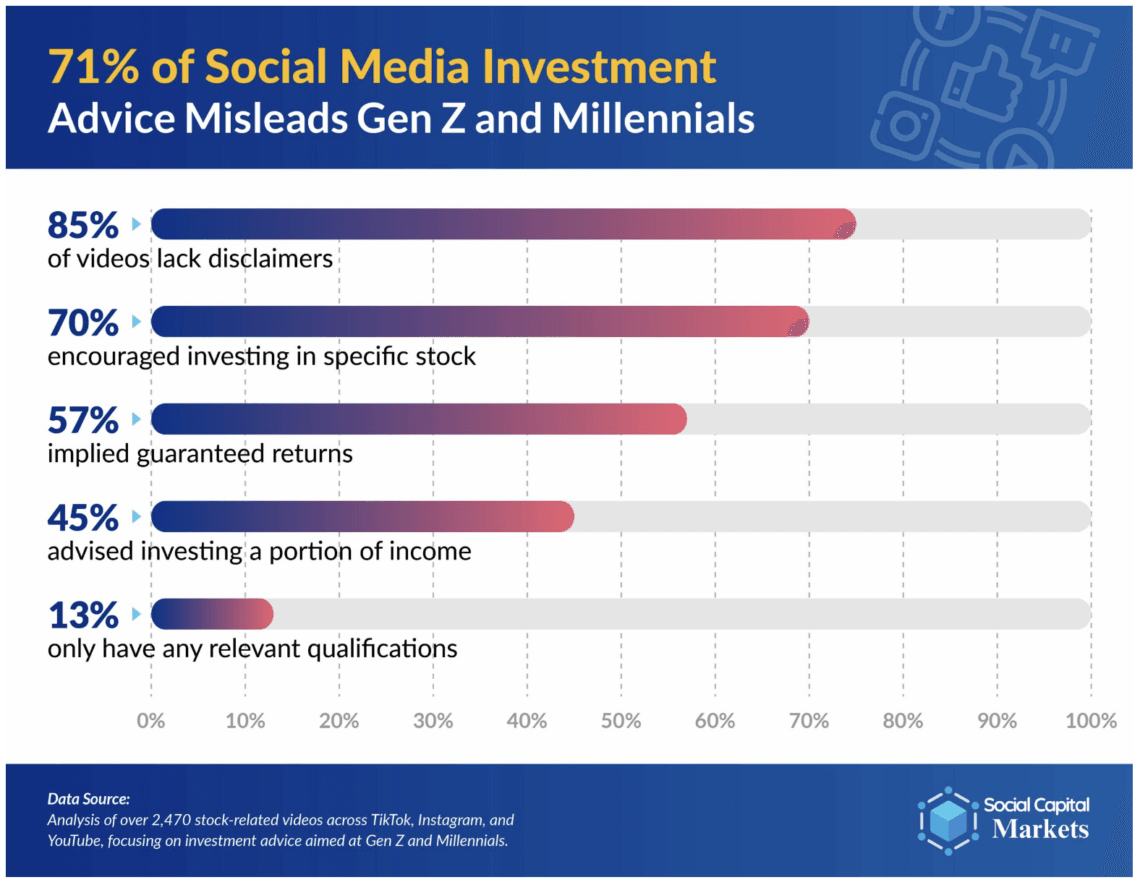
A new study finds that 71% of social media financial advice misleads Gen Z and Millennials 👇👇👇
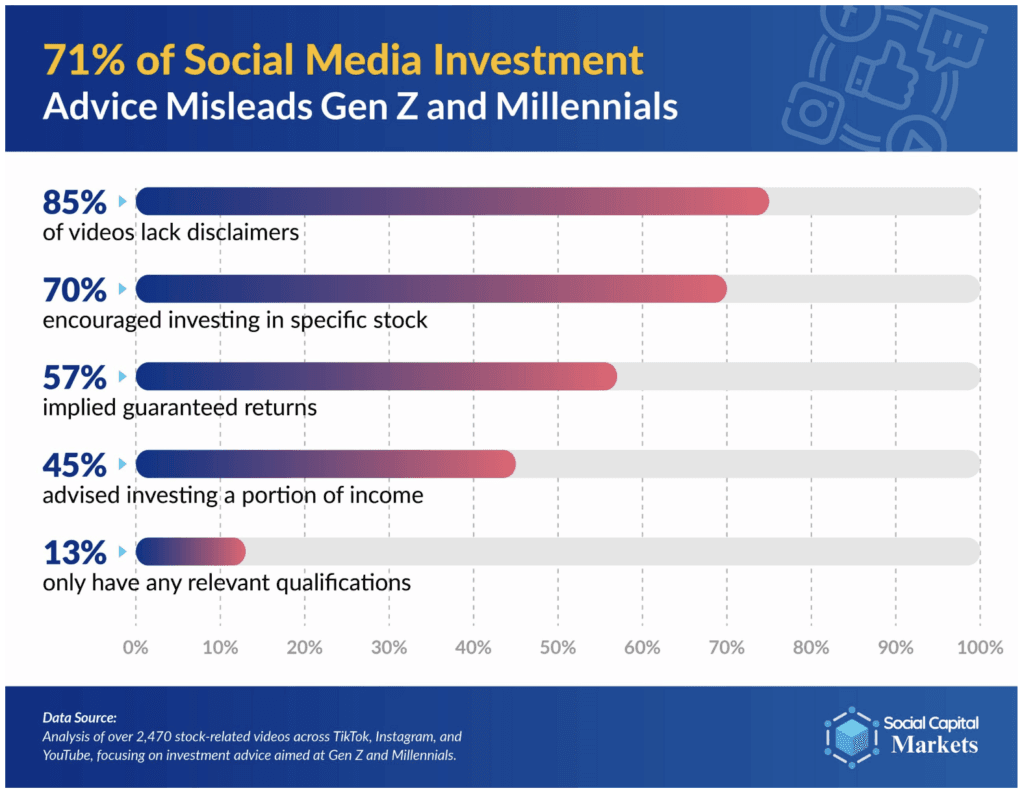
Just a few things to keep in mind while scrolling your feeds…
Don’t follow just anyone. Questioning the source of information is more important than ever. What credentials, qualifications, track record, or real-world experience do your influencers have?
Not all advice is suited for everyone. Many influencers pitch investing moves suited for people in Money Gear 7…. But the reality is most Gen Z & Millennial followers haven’t even built an E-fund or cycled through money gears 1, 2 3 etc.
Simplifying vs. Over-simplifying. Watching a complex topic get dissected in less than 30 seconds is cool. But making it seem too easy leads people to try things they truly aren’t ready for. Social media often doesn’t allow enough time to explain complex topics fully. The medium heavily taints the message.
Beware of hidden agendas. Influencers often make money by promoting companies and services in exchange for financial incentives. Are they up-front about that? Are they pitching things that are good for you, or them?
Get-rich-quick schemes. This kind of goes without saying, but there is no such thing as getting rich overnight. And on the off chance you do stumble upon instant riches, that money typically flees as quickly as it was accumulated. If it’s too good to be true, it usually is!
It’s your newsfeed and your financial life. Be extra careful who you choose to follow and what you let into your brain because it heavily affects the way you think about money and ultimately, your financial outcomes.
Related stuff:
- 🚩 Red flags: Don’t trust financial advice from these folks
- ⚙️ The 7 Money Gears: Personal finance stepping stones
ICYMI
In other news…
Auto-Refunds ✈️
Woohoo! Airlines now have to refund passengers automatically if their flight has “significant delays” (3+ hours for domestic, 6+ hours for international). No more calling crappy customer service, haggling, or dealing with a manual refund process.
Overconfidence 🤦♂️
According to a recent USA Today survey, 68% of Americans are financially confident and believe they make good money decisions. Hmmmm 🤔 something doesn’t add up here because 56% of them also said they struggle to meet monthly expenses.
Boob tube 📺
TVs are getting bigger and cheaper! The best sales typically hit around Black Friday or pre-Super Bowl. But before you run out chasing that killer deal, think twice before upgrading. Do you really need a bigger TV?
Small Wins 🎾
Cool post from Morningstar: Small Wins Can Add Up to Long-Term Investing Success. Just Ask Roger Federer.
EOY Checklist ✅
The year is flying by! Just a reminder to attack your end-of-year financial checklist and take advantage of all the 2024 incentives, tax advantages, etc. that you can. If you have an FSA with funds expiring, use them!
ASK HTM
“My friend is having a financial meltdown. Should I loan them money?” 🤷♂️
It’s super hard to watch your friends struggle financially and/or make bad choices that get them into financial trouble.
The short answer is: Giving or loaning money usually won’t change your friend’s habits. It might get them out of a once-off bind, but they’ll be right back in it (dragging you in too) if they don’t actually re-shape their way of life.
Instead of giving or loaning money, it’s best to offer encouragement and support, introduce outside help, and lead by example.
Here’s the long answer on how to help your friends who are having money trouble!
Welp, that’s it for today. Have a great week ahead, and remember: no gossiping! 💪
Best friends out 🍻