
Advertiser Disclosure
* Advertiser Disclosure: How to Money has partnered with CardRatings for our coverage of credit card products. How to Money and CardRatings may receive a commission from card issuers. Some or all of the card offers that appear on the website are from advertisers. Compensation may impact on how and where card products appear on the site. Lastly, the site does not include all card companies or all available card offers.

Getting your first credit card is a huge milestone in your financial journey. It’s a step towards building excellent credit and developing healthy financial habits. But how do you choose the right card? Or make sure you’re using them in a way that helps instead of hurts you? And how can you get a credit card if you have no credit history?
Today, we’re going to walk you through the process of opening your first credit card, whether you’re applying as a student or looking to start accumulating travel rewards to reduce the price of your future explorations. We’ll demystify the world of credit cards and give you the knowledge to begin your credit journey on the right foot. Let’s get started!
Credit Card Basics
Before you dive right in and start submitting credit card applications, it’s important to understand exactly how credit cards work.
The idea of credit isn’t terribly new. In fact, our history of credit use has a lot to do with the crop cycle centuries ago. Back in the day, farmers could only harvest during certain months, so they needed to purchase items on “credit,” and pay off their debts when their crops were ready.
Today, modern credit cards work off the same principle. Using credit cards is a way of borrowing money from a lender with the intention of paying it back.
When you open up a credit card, you’re given a spending limit. This is how much money you are allowed to borrow at any given time. Then, at the end of the month, you’ll receive a bill, called your statement, for what you spent.
Unlike the farmers who spent 10 months racking up debts each year, then paying it all off in the 2 fruitful harvest months, credit card debt is different. You should always pay off what you owe in full at the end of the month. Otherwise, you’ll be subject to interest on your balance, which compounds DAILY!
However, you can avoid interest completely if you pay your bill off every month. This is one of the golden rules of credit cards you must follow to make credit cards work for you.
Credit card companies also report things like your payment history and your credit card balances to the three credit bureaus, Experian, TransUnion, and Equifax. This is how credit cards influence your credit score. It seems a little counterintuitive that you need to borrow money to prove that you are financially responsible, but hey, we don’t make the rules!
How to Open Your First Credit Card
So now that we’ve given you a credit card crash course (10 points for alliteration!), you’re ready to hit the ground running and apply for your very first card. We’ll expand a bit on other dangers of credit cards and some of the benefits later in the post. But for now, here are the steps you’ll need to take to earn your plastic badge of credit honor.
1. Understand Your Choices
Because you likely don’t have a lot of credit history, and maybe no credit history at all, you may have limited options when it comes to opening up your first credit card. This is because lenders use your credit score to determine how likely they are to get paid back. With limited credit history, the banks assume that you are a riskier borrower. Luckily, you’ll still have a few good options when it comes to opening a credit card.
Secured credit cards
Secured credit cards are another great way to build credit with a limited credit history. Essentially, when you open a secured credit card, you give them a deposit. This deposit then often becomes your borrowing limit.
The deposit you give acts like collateral. If you don’t pay off your credit cards, the bank can use your deposit to do so. These are great credit cards for unemployed people with no proof of income. It helps build credit and a relationship with the bank.
Because they can always use your deposit to pay off your balance, you can access these cards even if you represent a higher credit risk. The downside is that you’ll need to save up the money for the deposit ahead of time. Also, the limits are usually set to just a few hundred dollars.
Starter credit cards
Starter credit cards are typically basic and simple, no-frills cards. Some offer some basic perks, like a small amount of cash back or smaller signup bonuses. Because they don’t come with big benefits, they can be easier to get approved for with a limited credit history.
Pro Tip- If you’re looking for a no-frills credit card, try getting one from the bank or credit union you already have an account with. They may be able to pull some strings to get you approved because of your longtime patronage. They’ll use your current cash balance and history to assess your application. This is actually how I got my first credit card!
Student credit cards
Once upon a time, credit card companies would try to get college students to open up credit cards by putting up booths on college campuses and offering them food, like pizza, if they signed up. Nowadays, credit card companies must stay 1,000 feet from campus if they intend to tempt students with signup bonuses or other perks thanks to the CARD Act of 2009.
But, even though these credit card companies can’t proselytize on campus anymore, they still create credit products for students. Those come with much better perks than just a pepperoni pie. Many student credit cards have lenient requirements and can offer perks like cash back and discounts. If you’re a student, consider applying to one of these Best Credit Cards for Students.
Become an authorized user on someone else’s account
One of your options is to become an authorized user on someone else’s account. This means that you will gain access to someone else’s healthy credit card usage and can benefit from their superior credit score.
For example, you can become an authorized user on a parent’s credit card. Just have them call their card issuer and order a new card that is connected to their account. They can add you easily in the back end of their online account. At the end of the month, you’ll give them the money you spent, and they will pay off the credit card bill. If you’re under 18, this is your only option to get a credit card with your name on it.
However, it’s important to point out that their credit usage will affect your credit score if you go this route. This means that if they miss a payment or utilize too much of their credit limit, it can harm instead of help you! So, you’ll need to make sure to only do this if the adult in your life manages credit responsibly.
Step 2: Compare Your Options
Now it’s time to compare your options to find the perfect card for how you spend. Take some time to think about what you really want to get out of this. Are you hoping to earn a little bit of cash back? Or maybe you want to focus on building your credit?
Either way, you’ll probably want to avoid cards with annual fees at this point. While it might be tempting to get a card with an annual fee so that you can access higher value rewards, you can get a decent starter card without one. Rewards should not be the primary reason you are applying for your first credit card.
Spend some time making a list of a few cards you’re interested in and take note of the issuers. Since this is your first credit card, you’ll probably want to keep it “forever”. The longer you keep this line of credit open, the better it is for your credit score. So, applying with one of the large credit card issuers is smart. Capital One, Chase, Bank of America, Discover, and American Express are all excellent choices for opening your first credit card.
Step 3: Decide Which Cards You Will Apply To
Before you get application crazy, pause for a second! You don’t want to apply for every card you find, because having too many “hard inquiries” in a short period of time can hurt your credit score. It makes it look like you are desperately applying for copious credit at once.
Instead, decide which cards you are likely to be approved for ahead of time, to avoid doing any damage. If you don’t have a credit score at all, secured cards will likely be your best bet. Many lenders list a range of credit scores they are likely to accept for new credit applications. When in doubt, don’t be afraid to call and ask!
Some credit cards can even allow you to see if you’re likely to be approved for the card ahead of time. They perform a “soft check” on your credit report, which does not hurt your score. For example, Capital One, American Express, and Discover allow you to see if you are pre-approved ahead of time. While it does not guarantee approval, it can offer more insight as to whether or not you’re likely to be approved. This prevents you from applying for cards where you have a poor shot.
P.S.- Don’t know what your credit score is? You can request a free credit report weekly from each of the three bureaus at AnnualCreditReport.com!
Step 4: Apply for your desired credit card
Now that you’ve chosen your top credit card that you are likely to be approved for, it’s time to fill out an application. Applying for credit cards is simple and takes just a few minutes online. You’ll need to disclose your income, and identity details like your social security number and basic contact info. You need to be at least 18 to apply for a first credit card.
Applications usually get approved or denied within seconds. But, some lenders can take a few days to manually review the information you submitted. If you’re approved, they’ll mail you a card along with instructions to activate it. Some cards even allow you to add them to your digital wallet after you’re approved so you can start using them right away!
Step 5: Use Your Card Responsibly
Now, it’s time to start building that credit! This is when you get to work on building those healthy credit card habits that will carry you far through the rest of your life.
It can be tempting to overspend knowing you have all this credit available to you. But it’s important to continue to practice mindful spending. Use your credit card the same way you would use your debit card. Pay it off in full at the end of every month without fail. Getting into credit card debt sucks. We don’t want you to have to learn the hard way.
Here’s a fun guide to stick to when buying things with your first credit card:

It’s also important to work to keep your card utilization relatively low. We suggest working to keep this under the 30% threshold. For example, if you have a credit limit of $1,000, keep your monthly spend amount to a max of $300.
And lastly, if you’re forgetful (like me!), it can be a good idea to automate your credit card payments by placing them on autopay. This means that every month, your credit card company will automatically be paid from your checking account. As long as you have the cash to cover the bill, you’ll never be slapped with late fees and interest.
Step 6: Use Your Rewards!
If you were able to get approved for a credit card with rewards, make sure to use them sooner rather than later. This is because credit card companies are notorious for inflating their rewards over time, making them less valuable year after year. The sooner you redeem them, the more value you’re likely to get. So while it may be tempting to stockpile any points or miles, enjoy your spoils on a somewhat regular basis.
And remember that once you’ve built up your credit, and developed healthy credit card habits, you can graduate to even better cards and earn rewards that can allow you to earn hefty amounts of cash back, and to travel for free.
The Dangers of Poor Credit Card Usage
Using credit cards the wrong way can seriously hurt your finances. So it’s important to hold off on opening your first credit card until you are responsible enough to manage it well. Thanks to rising interest rates, credit card interest rates are even higher than normal right now! Debt easily spirals out of control if you can’t pay off your balance each month.
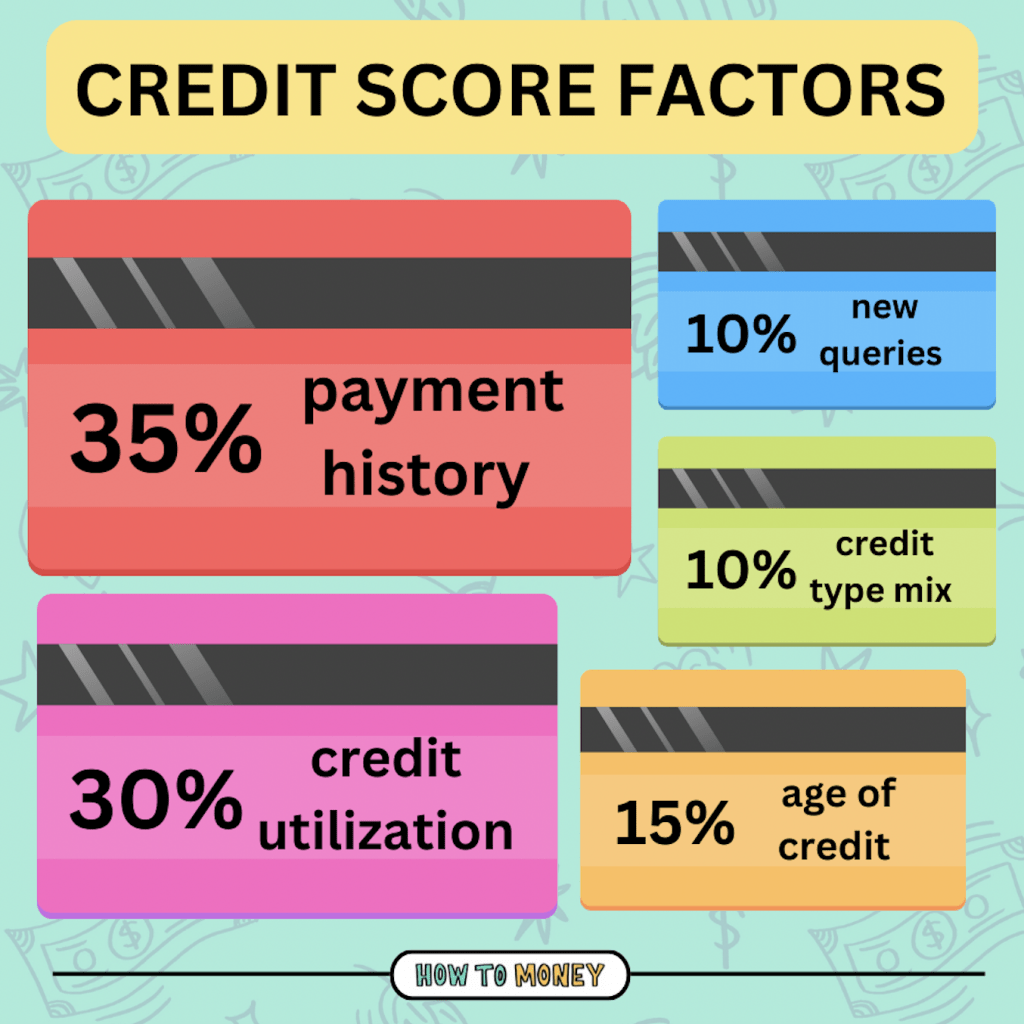
Your credit report will also take a massive beating if you abuse credit cards. Your credit score is determined by several factors. Things like your payment history, credit utilization, credit mix, credit history and hard inquiries. So missing payments, trying to open too many credit cards at once, opening and closing accounts frequently, or using too much of your available credit can send your credit score spiraling down.
But before you run screaming for hills, let’s talk about some of the many benefits of using credit cards…
The Benefits of Using Credit Cards
Utilizing credit cards for your everyday spending comes with awesome perks when you manage your cards responsibly. Here are some of the upsides of credit card usage:
Helps you build credit
Regular and responsible credit card usage will help you build solid credit. Having a good credit score is important because it means getting the best rates on loans, like mortgages and car loans, and in many cases getting a better price for auto insurance!
Conversely, if you have a poor credit score, you’ll be faced with higher interest rates when borrowing money. In fact, some lenders may choose not to lend to you at all! Borrowing money will cost you more if you have a poor credit score. Some employers and landlords will check your score when deciding whether or not they will offer you a job or let you rent from them. In short, your credit score can impact your quality of life as well as your finances.
Bonus- The 8 Most Common Credit Score Myths Debunked
Easier to track your spending
Another benefit of using a credit card to spend is that you’ll be able to more easily track your spending. Your credit card statements make it simple to see exactly how much money you’ve spent and where you spent it. So you’ll never have to keep track of a bunch of paper receipts.
Extra fraud protections
One of our favorite secondary benefits of credit cards is that they tend to come with great fraud protection which is superior to what you’ll get if you use debit cards.
If someone makes a fraudulent charge on your debit card, you need to fight with the bank to get that money deposited back into your account. However, if you have a fraudulent charge on your credit card, you only need to work to get that charge reversed. Plus, even if you catch a charge on your debit card within 2 days, you could still be on the hook for up to $50. But, thanks to the Fair Credit Billing Act, you won’t be liable to pay for any purchases you did not make with a credit card in your name.
Benefits, Benefits, and More Benefits
While your first card may not come with a ton of perks, once you build up your credit score, you’ll be able to apply for superior cards that offer more perks and benefits!
Here are a few common perks you can look forward to:
- Cash back or statement credits
- Accumulating travel points and miles
- Discounts at certain shops or online retailers
- Travel perks, like free TSA precheck, hotel upgrades, or even airport lounge access!
- Discounts or free subscription services
- Credit monitoring services
These points and miles are not insignificant. Many folks travel for cheap, or even free using credit card rewards, or use their accumulated cash back to help them achieve their financial goals. Better yet, many credit cards come with massive signup bonuses that you can earn by meeting a minimum spend threshold, in addition to earning cash back or miles for your everyday spending.
If you want to stay motivated to manage your credit card usage responsibly, remember that you have these perks to look forward to in the future.
The Bottom Line:
Opening up your first credit card is a big deal, and it should be treated as such. Begin by researching all the options, including secured credit cards and student cards. Then submit an application to the one that best suits your needs long term. We encourage beginners to focus on cards that have no annual fees, help build credit, and are will large credit card issuers like Capital One or Chase.
No matter which credit card you choose, it’s extremely important to begin your credit journey with a mature and responsible mindset. Always pay your cards off in full, every month, without exception. The goal is to develop good money habits as early as possible so you stay out of debt trouble, and maximize rewards throughout the rest of your financial journey.
Related Posts:
- Our Favorite Credit Cards for How You Spend
- Tips to Build (or Rebuild) Your Credit Score
- Ultimate Guide to Credit Cards
*Advertiser Disclosure: How to Money has partnered with CardRatings for our coverage of credit card products. How to Money and CardRatings may receive a commission from card issuers. Some or all of the card offers that appear on the website are from advertisers. Compensation may impact on how and where card products appear on the site. Lastly, the site does not include all card companies or all available card offers.
*Editorial Disclosure: Opinions, reviews, analyses & recommendations are the author’s alone, and have not been reviewed, endorsed or approved by any of these entities.
*User Generated Content Disclosure: Responses are not provided or commissioned by the bank advertiser. Responses have not been reviewed, approved or otherwise endorsed by the bank advertiser. It is not the bank advertiser’s responsibility to ensure all posts and/or questions are answered.